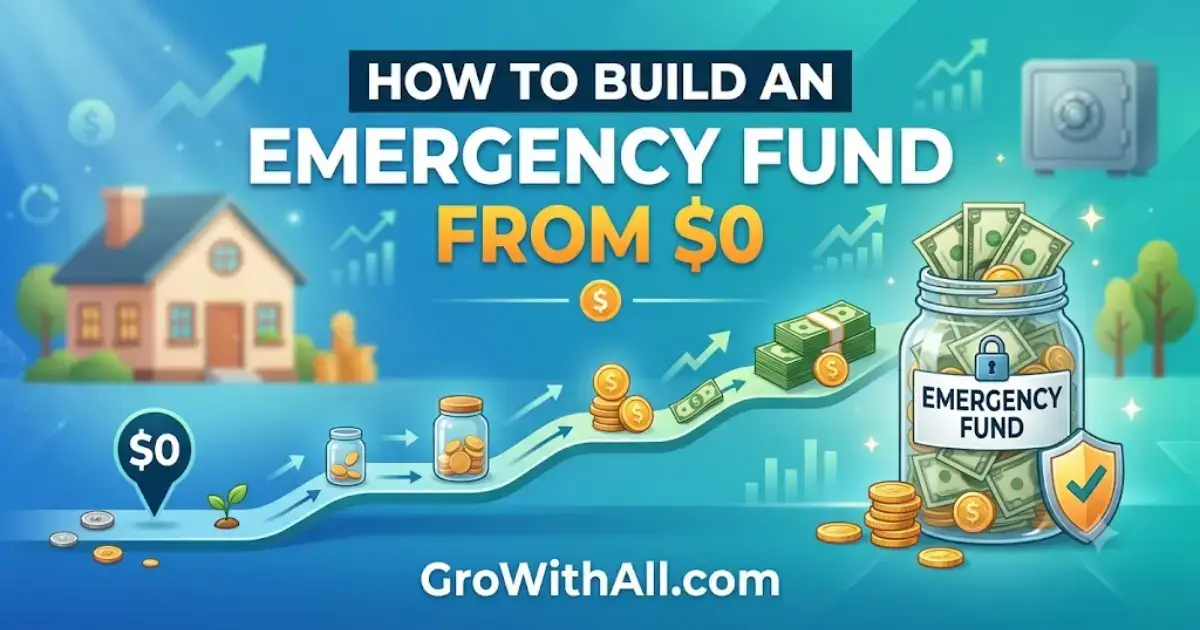
An emergency fund is money set aside for the unexpected: a car repair, a medical bill, a job loss, a broken water heater. It sits apart from your checking account and your regular savings. You don’t touch it for a vacation or a sale on shoes. You touch it when life throws something at you that a normal paycheck can’t absorb.
Building one from nothing feels harder than it is. This article walks through why the fund matters, how much to aim for, and the steps to build it up from zero, even on a tight budget.
Why an Emergency Fund Matters
Without savings, an unexpected cost turns into debt. A $600 car repair goes on a credit card. A missed paycheck means a late rent payment and a fee. Small problems turn into bigger ones, and the interest on that debt makes the original cost grow.
An emergency fund breaks that chain. When the water heater dies, you pay for a new one and move on with your week. No interest, no stress about a due date, no phone calls from a collections department. The fund buys you room to make decisions calmly instead of scrambling.
It also protects your other financial goals. Retirement accounts, investments, and long-term savings work best when you leave them alone. Without a cash cushion, a surprise expense forces you to pull money out early, often with fees or tax penalties attached. An emergency fund keeps your hands off accounts meant to grow over decades.
How Much Should You Save
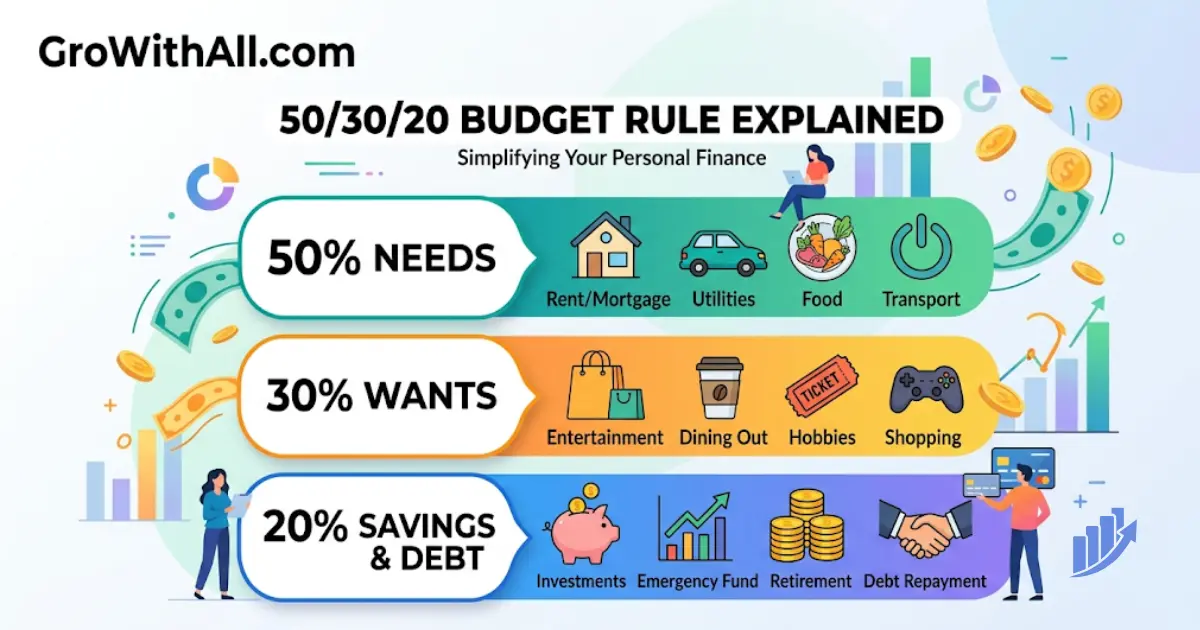
Most financial guides point to three to six months of essential expenses. Essential means the needs category from a basic budget: rent, utilities, groceries, insurance, minimum debt payments, transportation. Not takeout, not streaming subscriptions, not new clothes.
That target changes based on your situation:
- One month of expenses works as a first milestone for anyone starting from zero. It covers most single emergencies: a car repair, a vet bill, a broken appliance.
- Three months fits people with stable jobs, dual incomes in a household, or low fixed costs.
- Six months or more fits people with irregular income, a single-income household, self-employment, or a field where jobs take longer to find after a layoff.
Don’t let the full target scare you off. Six months of expenses can feel impossible when your bank account sits at zero. Break the goal into smaller pieces instead, and build momentum with each one.
Step 1: Set a Starter Goal
Before anything else, pick a small number you can reach fast. A common starting point is $500 or $1,000. This isn’t your final goal. It’s a buffer that covers the most common small emergencies without touching a credit card.
Reaching this first milestone matters more than the amount itself. It proves the plan works, and it gives you a reason to keep going once the bigger number still feels far away.
Step 2: Open a Separate Account
Keep the emergency fund apart from your checking account. If the money sits next to your regular spending cash, it’s too easy to dip into it for something that isn’t an emergency.
A high-yield savings account works well for this. Look for one with:
- No monthly fees.
- Easy transfers back to checking when you actually need the money.
- A decent interest rate, so the fund grows a little on its own while it waits.
Avoid keeping the fund in investments or accounts with withdrawal penalties. The point of this money is fast access, not growth. A slower-growing account you can reach in a day beats a faster-growing one that takes a week to unlock or drops in value at the wrong moment.
Step 3: Find Money You Didn’t Know You Had
Building a fund from $0 usually means finding money hiding in plain sight before you can rely on cutting your regular spending.
Start with a review of your last one or two months of bank statements. Look for:
- Subscriptions you forgot you’re paying for.
- Duplicate services, such as two streaming platforms you rarely use.
- Bank fees that a different account would avoid.
- Insurance policies you haven’t compared to other quotes in years.
Next, look at one-time sources of cash:
- Selling items you no longer use: electronics, furniture, clothes, tools.
- A tax refund, work bonus, or cash gift, dropped straight into the fund instead of spent.
- Cash back or rewards from a card you already use for regular purchases.
None of these need to be dramatic. A canceled subscription and a sold-off gaming console can combine for a real head start.
Step 4: Automate Small, Consistent Transfers
Willpower runs out. A system doesn’t. Set up an automatic transfer from checking to your emergency fund account, timed for the day you get paid. Even $25 or $50 a paycheck adds up faster than most people expect.
Treat this transfer like a bill. Pay it before you spend on anything discretionary, not after. If you wait until the end of the month to see what’s left, the answer is usually nothing.
If a fixed amount feels out of reach right now, try a percentage instead: 2% or 5% of each paycheck. As your income grows or expenses shrink, raise the percentage.
Step 5: Redirect Windfalls and Extra Income
Any money that shows up outside your regular paycheck is a chance to speed up the fund without changing your day-to-day budget. This includes:
- Tax refunds.
- Work bonuses.
- Side income from freelance work, gig apps, or a hobby you sell on the side.
- Cash gifts for birthdays or holidays.
A single tax refund can jump a starter fund from $200 to $1,000 in one move. Treat these amounts as fund contributions first, then decide what’s left over for anything else.
Step 6: Trim Spending Without Cutting Everything
You don’t need to give up your entire social life to build a fund. Small, targeted cuts work better than an all-or-nothing approach that burns out in three weeks.
Pick two or three categories to trim, rather than attacking your whole budget at once:
- Cook at home a few more nights a week instead of ordering out.
- Cancel one subscription instead of all of them.
- Switch to a cheaper phone plan or internet provider.
- Wait a week before non-essential purchases, to filter out impulse buys.
Redirect whatever you save straight into the fund. A trimmed grocery bill or a canceled subscription only helps the goal if the savings actually land in the account instead of drifting back into regular spending.
Step 7: Handle Debt and Savings at the Same Time
People often ask whether to pay off debt first or build savings first. The honest answer depends on the debt.
For high-interest debt, such as credit cards, build a small starter fund first, around $500 to $1,000, then shift extra payments toward the debt. The interest on high-rate debt grows faster than a savings account can keep up with, so paying it down protects you more once the small buffer is in place.
For low-interest debt, such as some student loans or a car loan, build the full emergency fund first. The lower interest rate means less urgency, and having a real cushion protects you from adding more debt if an emergency hits while you’re still paying down the old balance.
Step 8: Keep the Fund Separate From Other Goals
Resist the urge to combine your emergency fund with savings for a vacation, a new car, or a down payment. Mixed accounts get spent down for reasons that aren’t emergencies, and the line between “emergency” and “thing I want” gets blurry fast.
If you’re saving for multiple goals, use separate accounts or clearly labeled sub-accounts. Many banks let you name and split savings accounts without opening new ones, which makes tracking simple.
Step 9: Replace What You Spend
An emergency fund isn’t a one-time project. Once you use it, the job isn’t done: you rebuild it. Treat a withdrawal the way you’d treat a loan to yourself, with a plan to pay it back over the following months.
Go back to the automatic transfer step and restart the process. Some months you’ll rebuild faster than others, depending on income and expenses. What matters is getting back to the target, not staying there at every moment.
Step 10: Review the Target as Life Changes
Your emergency fund target shifts as your life does. A new job with less job security, a move to a more expensive city, a new child, or a shift to self-employment all raise the bar. A raise, a paid-off debt, or a move to a lower cost of living can lower it.
Check the number once or twice a year. Adjust the target and the automatic transfer amount to match, the same way you’d adjust a budget after a rent increase or a new bill.
The Bottom Line
Building an emergency fund from $0 doesn’t require a big income or a dramatic lifestyle change. It requires a starter goal, a separate account, a habit of small transfers, and a willingness to redirect windfalls and trimmed spending toward one purpose.
Start with $500. Move to one month of expenses. Build toward three to six months over time. Each milestone gives you more room to handle whatever comes next without turning a bad week into a bad year.